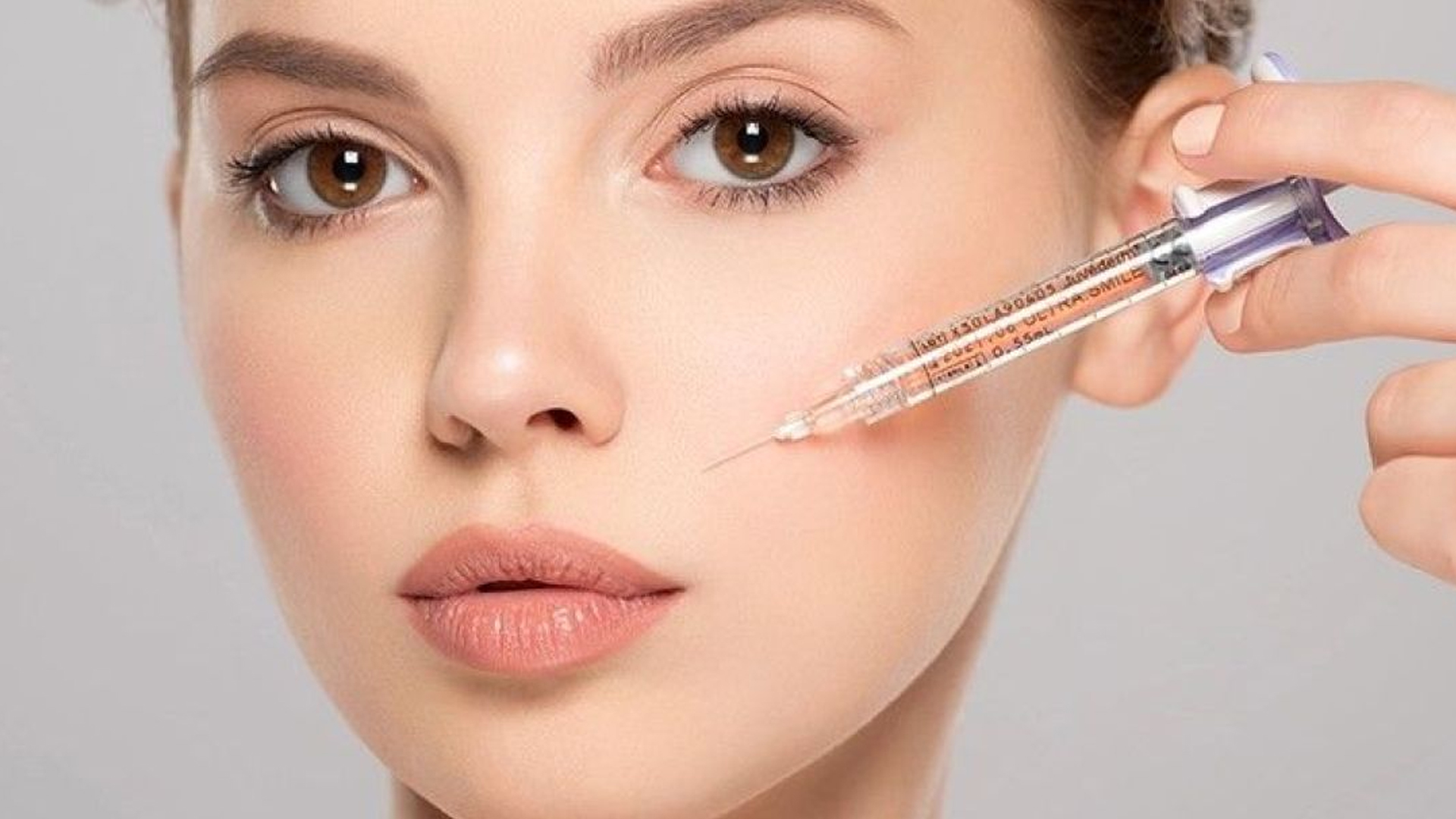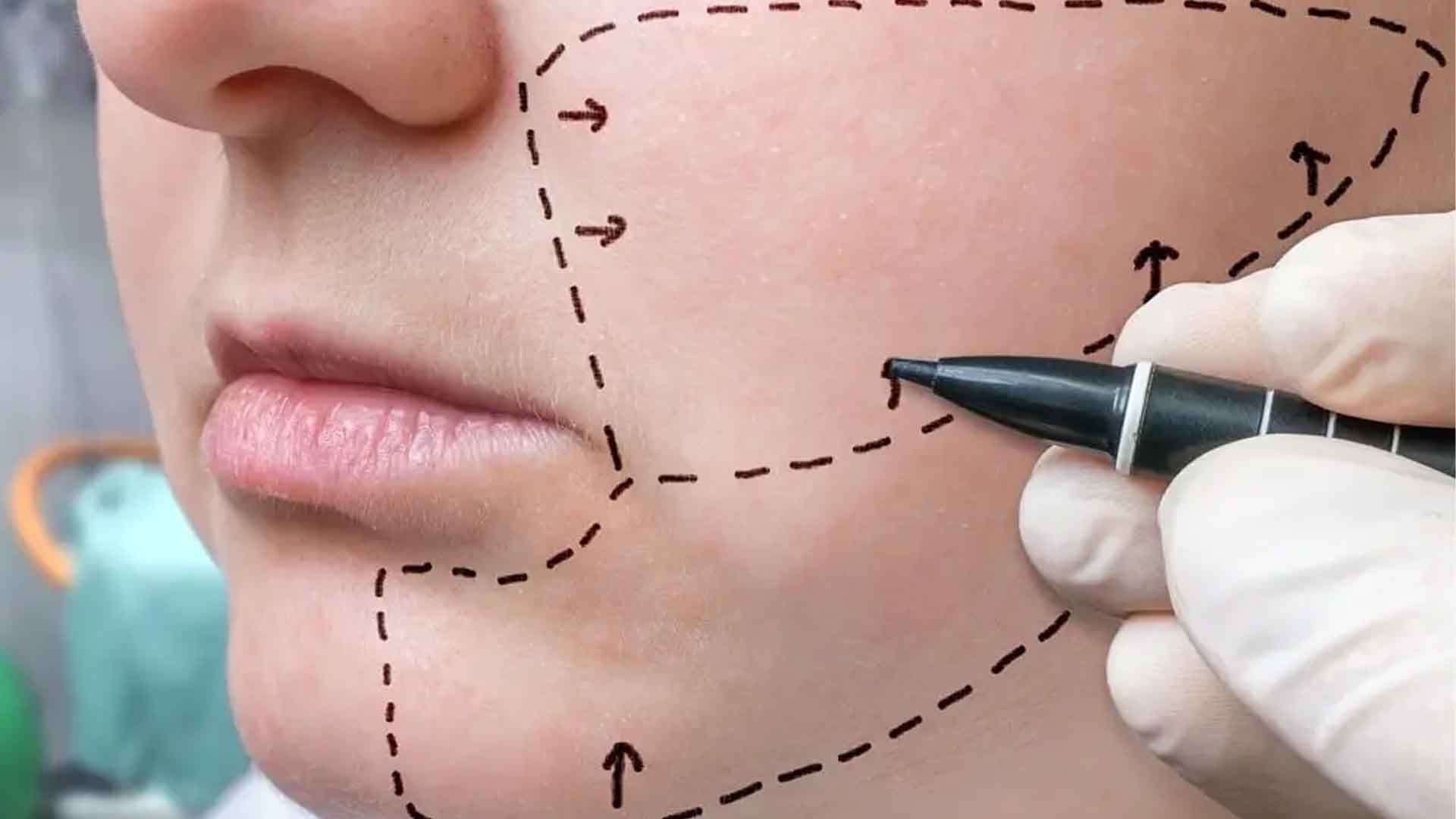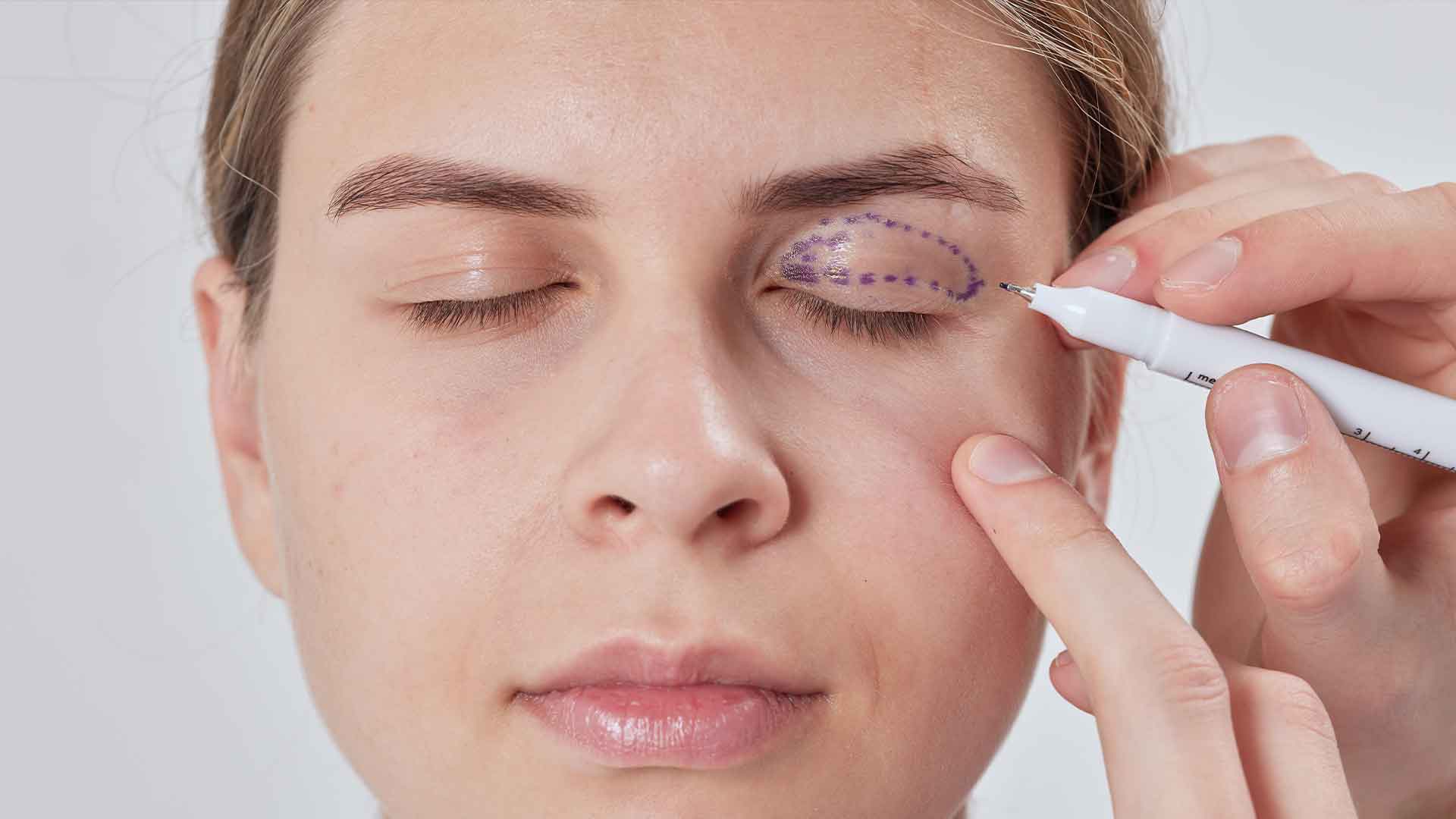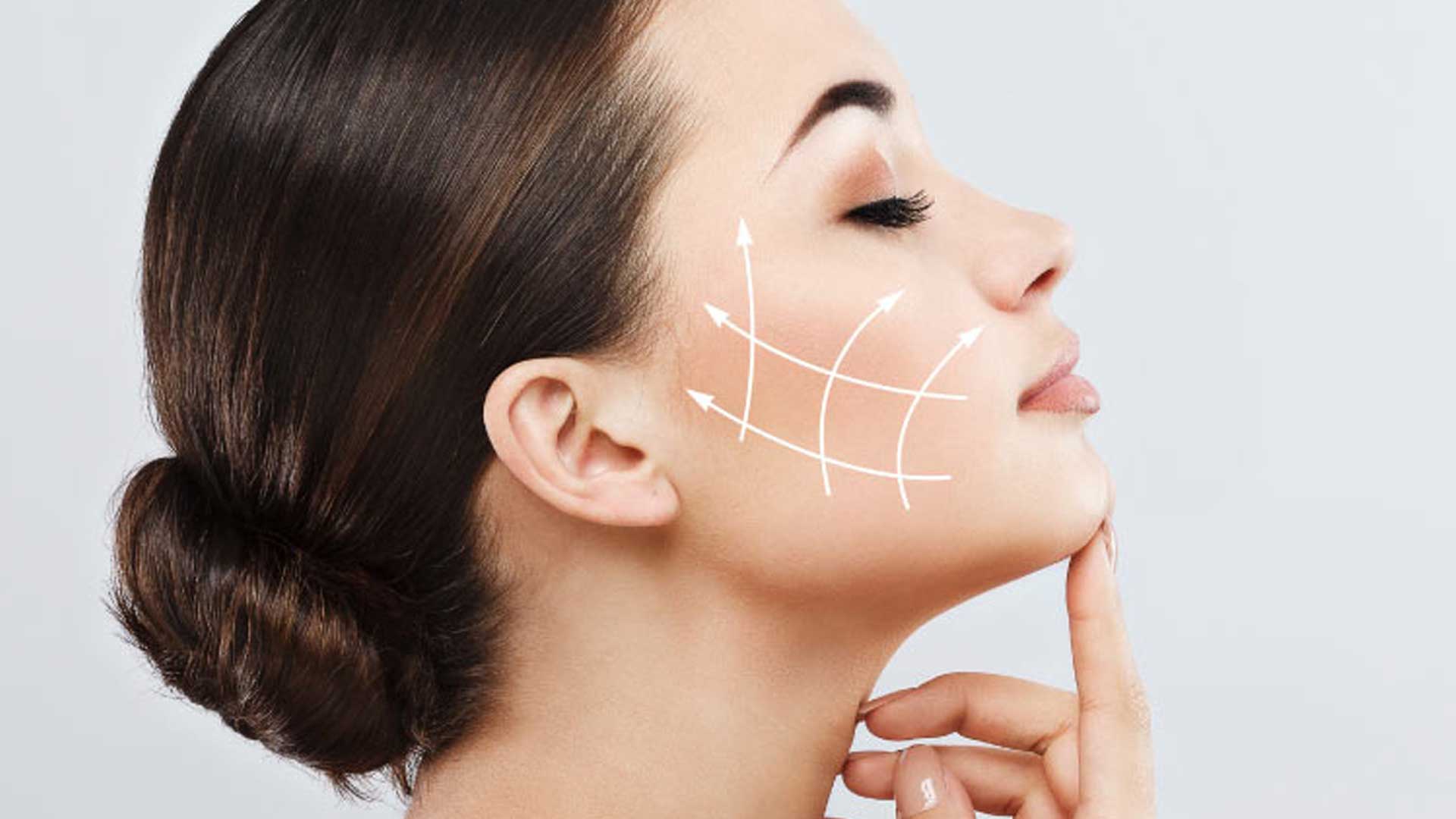
Thread lifting is a procedure in which special medical threads are placed under the skin to lift sagging tissues upward. While the threads are gradually absorbed by the body, they also stimulate collagen production. This provides both mechanical lifting and biological rejuvenation.
Types of Threads Used and Their Differences
The threads used in thread lifting procedures have different effects depending on their material and design. The choice of product is determined by the individual’s skin type, age, and desired outcome.
| Type of Thread | Composition | Advantages / Reason for Preference | Area of Use |
|---|---|---|---|
| PDO (Polydioxanone) | Traditional surgical thread material | Safe, biocompatible, and effective in stimulating collagen | For individuals with thin skin and early signs of sagging |
| PLLA (Poly-L-Lactic Acid) | Lasts longer and provides strong collagen stimulation | More lasting lifting and improved skin quality | Middle to advanced age, cases with significant sagging |
| PCL (Polycaprolactone) | Flexible, long-lasting biostimulator | Provides effects for 2–3 years | To increase skin elasticity and achieve longer-lasting results |
| Cone or Barbed Threads (Cogs, Barbed Threads) | Has small barb-like structures on it | Provides strong mechanical lifting effect | For lifting the facial oval, cheeks, and jawline |
| Straight / Spiral Threads | Tissue-supporting, collagen-boosting | For superficial rejuvenation and tightening | For delicate areas such as the forehead, eye contour, and corners of the mouth |
Changes Observed After the Procedure
The effects of thread lifting occur in two phases:
| Time Frame | Observed Changes |
|---|---|
| First 24 hours – 1 week | Mild tension sensation, minimal swelling. The facial contours begin to show noticeable lifting. |
| 1 – 3 months | Collagen production increases, resulting in improved skin radiance and elasticity. |
| 3 – 12 months | The lifting effect sets in, and the facial oval becomes more defined. |
| 12 – 24 months | As the threads dissolve, the effects of biostimulation continue, maintaining a natural rejuvenated appearance. |
Advantages
- Does not require surgical incisions or sutures
- Fast recovery time (most people can return to social activities the same day)
- Natural and gradual results
- Long-term improvement in skin quality through increased collagen
Complications
As with any medical procedure, thread lifting may rarely cause some temporary effects:
- Mild asymmetry or tension sensation (usually resolves within a few days)
- Bruising or swelling (can be managed with cold compresses)
- Very rarely, infection or thread extrusion (can be corrected with early intervention)
- Dimpling (usually disappears within about 1 month)
When patients are appropriately selected by experienced physicians, the likelihood of these occurrences is extremely low.
Frequently Asked Questions
How long does a thread lifting procedure take?
It takes approximately 30–45 minutes and is performed under local anesthesia.
Is it a permanent method?
The threads gradually dissolve, but thanks to collagen stimulation, the effect lasts on average about 1 year.
Does thread lifting change facial expressions?
When performed with the correct technique, there is no freezing of facial movements, and a natural lift is achieved.
When can makeup be applied after thread lifting?
Light makeup can generally be applied 24–48 hours after the procedure.
Is it suitable for everyone?
Pregnant individuals, those with active infections, or severe skin sagging may not be suitable candidates. Your suitability will be evaluated during a consultation.
Result
Thread lifting procedures are a safe and effective method for rejuvenating the face and neck without the need for surgery.
When the appropriate thread type is selected through individualized planning, natural and long-lasting results can be achieved.
Therefore, the procedure should always be performed by a qualified physician under sterile clinical conditions.