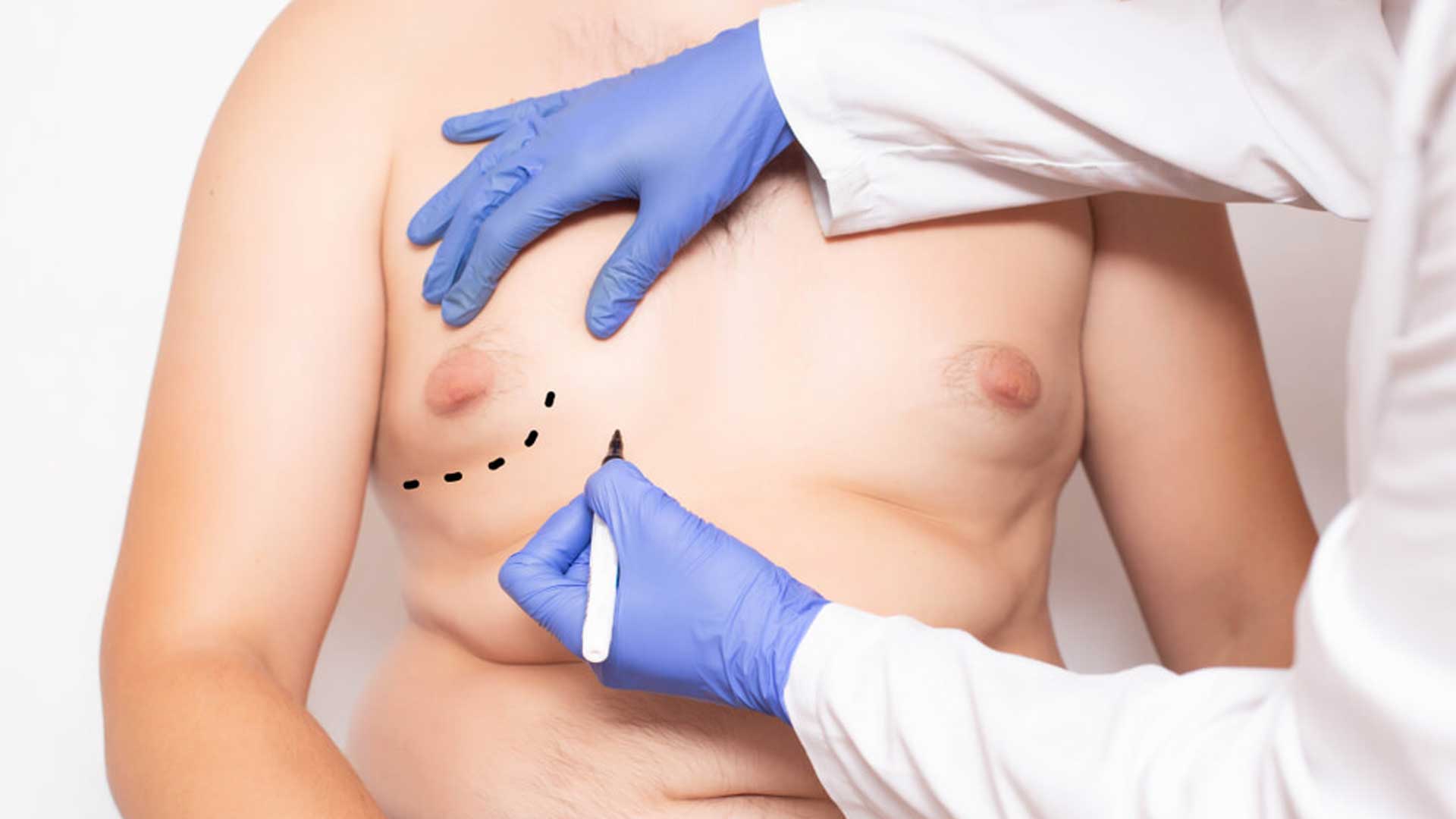
Gynecomastia is the condition of breast enlargement in men due to an increase in breast gland or fat tissue. It is mostly harmless but can cause aesthetic discomfort.
Causes of Gynecomastia
Gynecomastia is generally caused by changes in hormonal balance. The most common causes include:
-
Hormonal fluctuations during puberty
-
Excessive weight gain and loss
-
Use of certain medications
-
Regular consumption of alcohol and certain substances
-
Liver, thyroid, or hormonal system diseases
-
Fat accumulation due to excessive calories (pseudogynecomastia)
-
Conditions with unknown causes
Relationship with Nutrition
Poor nutrition does not directly cause gynecomastia, but increased fat accumulation around the abdomen and chest can make pseudogynecomastia more prominent.
Things to pay special attention to:
-
Excessive consumption of sugar and refined carbohydrates
-
High-fat diets and trans fats
-
Rapid weight gain
Approaches known to have positive effects:
-
Low-fat diet containing adequate protein
-
Consumption of fruits and vegetables rich in antioxidants
-
Regular, controlled weight management
Relationship with Athletes and Hormone Supplements
Anabolic steroids and testosterone-derivative supplements used by some athletes can disrupt the testosterone-estrogen balance in the body, contributing to the development of gynecomastia.
These types of supplements may lead to:
-
Increased conversion of testosterone to estrogen in the body
-
Enlargement of the breast gland
-
Increased visibility due to increased water retention
Hormone supplements taken outside of natural means and medical advice can increase the risk of gynecomastia.
Types of Gynecomastia
-
Glandular Type: Hard glandular tissue is dominant. Recommended treatment is excision surgery.
-
Fat Tissue Dominant Type (Pseudogynecomastia): Increase in fat tissue, soft structure. Recommended treatment is liposuction.
-
Mixed Type: Both glandular and fat tissue together. Recommended treatment is Liposuction + Excision.
How is it Diagnosed?
Diagnosis is mostly made through physical examination. Ultrasound is requested when necessary. Hormonal tests are performed only in suspicious cases.
Techniques Used in Gynecomastia Treatment
-
Liposuction (Fat Removal): It is preferred in patients where fat tissue is dominant. It is performed with small incisions and the recovery process is fast.
-
Gland Excision: It is applied in cases where glandular tissue is dense. It is done with a small incision around the nipple.
-
Combined Technique: It is the most effective method for most patients. It ensures the balanced removal of both glandular and fat tissue.
Post-Operative Process and Stages
-
0–7 Days: Slight swelling and tenderness are normal. Corset usage begins.
-
1–4 Weeks: Edema decreases and daily activity becomes easier. Most patients can return to work.
-
1st Month – Resuming Sports: Light sports (walking, light cardio) are generally suitable. Weight training is started under physician control.
-
6th Week – Chest Workouts: A gradual return can be made to movements that strain the chest muscles.
-
3–4 Months – Full Capacity Sports: The body begins to recover completely. Athletes can often return to full performance during this period.
Complications
Gynecomastia surgery is generally a safe procedure. Possible conditions are usually mild and temporary: Swelling, bruising, temporary tenderness, slight asymmetry (may decrease over time), rarely infection, or skin necrosis. With appropriate surgical planning and correct care, risks are quite low.
Recommended Exercises to Prevent Gynecomastia
Although exercise does not completely prevent gynecomastia, it can reduce visibility due to fat accumulation. Beneficial exercises for the chest area include: Push-ups, Dumbbell chest press, Incline press, Cable crossover, and regular cardio to help with low body fat percentage. Note: These exercises do not shrink the glandular tissue; they only reduce fat accumulation.
Frequently Asked Questions
-
Will the surgery scar be noticeable? Scars fade over time and are often unnoticeable.
-
How long should the corset be used? Generally 3-4 weeks.
-
Does gynecomastia recur? It largely does not; however, the risk may increase if factors disrupting hormonal balance continue.
-
When can sports start after surgery? Walking immediately; weights usually between 3-6 weeks.
-
Do hormone supplements cause gynecomastia? The risk can increase significantly with unnatural steroids and derivative supplements.
Disclaimer: This content is for informational purposes only; it does not contain personalized medical advice. The most accurate assessment is made through an examination.